Daily Health Tribune
21st Century Mental Health: Brain Health, Everyday Stress, and the Neurobiology of Overload
We have never been so interconnected, yet so mentally exhausted. While public health concerns in the previous century centered primarily on infectious diseases, the 21st century has consolidated a silent epidemic: mental health disorders and chronic daily stress.
Understanding brain health today requires examining not only psychological well-being, but also the concrete biological impact that modern routines inflict upon our nervous system.
Brain & Memory Support: Learn how Pineal Guardian can help support your brain health and focus. Read More
When confronted with daily pressures—tight deadlines, traffic congestion, or constant digital notifications—the brain initiates a cascade via the HPA Axis (Hypothalamic-Pituitary-Adrenal axis). The hypothalamus triggers the release of key hormones, including cortisol and adrenaline.
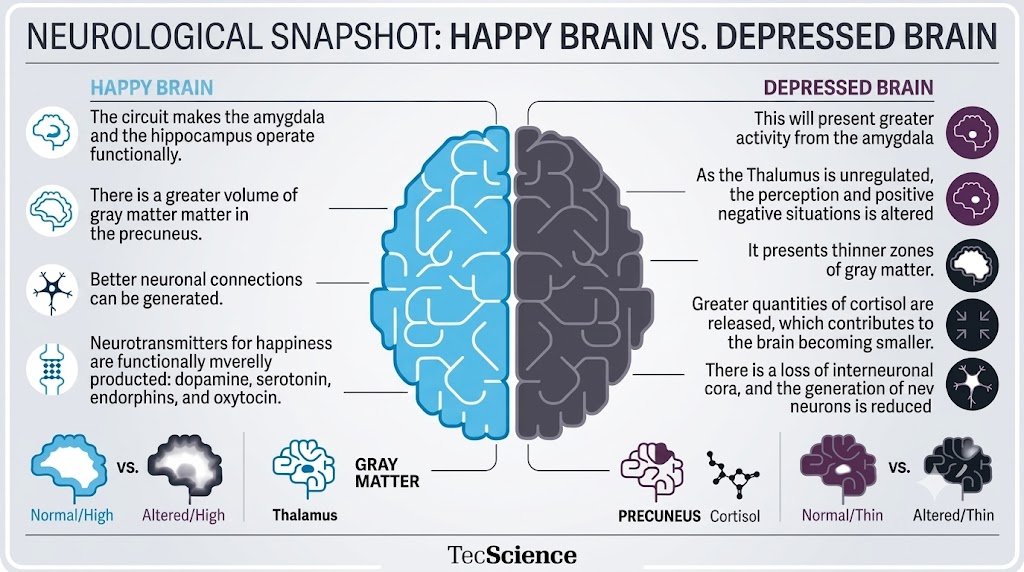
In acute instances, stress is an adaptive survival mechanism that heightens alertness. However, when this alarm remains indefinitely active, key neural structures suffer structural and functional changes:
-
Amygdala Hyperactivity: The threat-detection center becomes hyper-reactive, locking the body into a continuous state of “fight or flight.”
-
Hippocampal Shrinkage: Sustained high cortisol levels impair neurogenesis (the birth of new neurons) in regions vital for memory consolidation and context retrieval.
-
Prefrontal Cortex Impairment: Executive function, focus, emotional regulation, and decision-making deteriorate, manifesting as persistent “brain fog.”
- Unlock Peak Brain Health: Discover the natural way to support focus, memory, and cognitive vitality. Learn More
Global Statistics & Landscape
Recent data from major international health bodies illustrate the scale of contemporary psychiatric and neurological challenges:
| Indicator / Disorder | Data / Global Metric | Context / Source |
| Global Anxiety Prevalence | ~301 million people live with anxiety disorders | World Health Organization (WHO) |
| Global Depression | ~280 million individuals affected worldwide | World Health Organization (WHO) |
| Highest National Rank | Brazil leads global anxiety rates (~9.3% of population) | WHO Regional Epidemiological Reports |
| Burnout Syndrome | ~30% of workforce reports occupational exhaustion | ISMA-BR / Workplace Health Surveys |
| Economic Impact | US$ 1 trillion/year lost in economic productivity | WHO Global Health Estimates |
Evidence-Based Strategies for Neural Resilience
Through neuroplasticity—the brain’s capacity to reorganize structural pathways—damage caused by chronic stress is not irreversible. Neuroscience validates several interventions to strengthen cognitive resilience:
-
Sleep Hygiene & Glymphatic Clearance: During deep sleep, the brain’s glymphatic system flushes out toxic metabolic waste. Consistently obtaining 7 to 8 hours of sleep is essential for emotional regulation and memory consolidation.
-
Aerobic Exercise & BDNF Synthesis: Physical exercise stimulates the production of BDNF (Brain-Derived Neurotrophic Factor), a key protein that acts as a catalyst for neurogenesis and synaptic plasticity.
-
Digital Pacing & Attention Management: Constant digital stimuli fragment sustained attention. Scheduling structured offline periods reduces dopamine overload and calms sympathetic nervous system arousal.
-
Mindfulness & Prefrontal Regulation: Neuroimaging studies demonstrate that regular mindfulness practice reduces amygdala gray-matter density while strengthening functional connectivity within the prefrontal cortex.
Health Advisory: Persistent stress, cognitive fog, and burnout should not be normalized. If you or someone you know is experiencing chronic anxiety, prolonged low mood, or severe exhaustion, seek evaluation from qualified mental health professionals (psychologists and psychiatrists).
Unlock Peak Brain Health: Discover the natural way to support focus, memory, and cognitive vitality. Learn More
Privacy Policy | Terms & Conditions | Refunds | Resale Policy | Contact Us
All statements and results presented on this website are for informational purposes only. They are not specific medical advice for any individual. Neither the website, nor product should substitute medical advice given by a certified health professional. If you have a health problem, or you have sensible allergies, are pregnant or diagnosed with chronic conditions, it is strongly recommended that you consult your doctor immediately and before taking any pills or supplements. Individual results may vary depending on the case. Copyright © 2026. All Rights Reserved.
©dailyhealthtribune. All Rights Reserved.